

 1300 13 22 77
 Home Hub
 How much can I borrow for a Home Loan in Australia
Buying a home is one of the biggest financial decisions you’ll ever make. Whether you’re purchasing your first property or upgrading to a larger home, understanding how much you can comfortably afford is an important first step.
While lenders assess how much they’re willing to lend, that doesn’t always mean you should borrow the maximum amount available. The key is finding a home loan that fits your lifestyle, goals and budget.
What determines how much you can afford?
Several factors influence how much you may be able to borrow:
Your income
Lenders will look at your regular income, including salary, wages and other eligible income sources. Generally, a higher income may increase your borrowing capacity.
Your expenses
Your living expenses play a significant role in determining affordability. Lenders assess your spending habits, including:
- Utilities
- Groceries
- Childcare
- Insurance
- Entertainment
- Transport
The lower your ongoing commitments, the more room there may be in your budget for mortgage repayments.
Existing debts
Credit cards, personal loans, car loans and Buy Now Pay Later services can all impact borrowing capacity.
Even if you don’t owe money on a credit card, lenders often assess the full credit limit as a potential liability.
Your deposit
A larger deposit can improve your borrowing position and may help you avoid Lenders Mortgage Insurance (LMI).
Generally:
- 5% deposit: Entry point for some buyers
- 10% deposit: Stronger position
- 20% deposit: May avoid LMI
Interest rates
Interest rates affect your repayments and borrowing power. Even small rate changes can significantly impact affordability over the life of a loan.
How much deposit do I need?
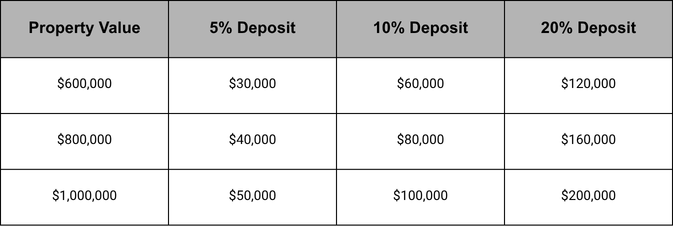
While many Australians aim for a 20% deposit, it’s not always necessary.
For example:
Remember that you’ll also need funds for additional costs such as:
- Stamp duty (where applicable)
- Legal and conveyancing fees
- Building and pest inspections
- Moving expenses
A simple affordability rule
Many financial experts suggest keeping mortgage repayments below 30% of your gross household income.
For example:
If your household earns $120,000 per year before tax:
- Annual income: $120,000
- 30% guideline: $36,000
- Monthly mortgage budget: approximately $3,000
This isn’t a hard rule, but it can provide a useful starting point when setting your budget.
Don’t forget future expenses
It’s important to think beyond today’s circumstances.
Ask yourself:
- Are you planning to start or grow your family?
- Could childcare costs increase?
- Do you expect changes to your income?
- Are you planning major renovations?
- Do you want to travel regularly?
Choosing a mortgage that leaves room in your budget can help reduce financial stress in the future.
The hidden cost of home owndership
Many first-home buyers focus solely on mortgage repayments. However, owning a property also comes with ongoing costs such as:
- Council rates
- Water rates
- Home insurance
- Repairs and maintenance
- Strata fees (for apartments and townhouses)
Building these costs into your budget can help create a more realistic picture of affordability.
Should I borrow the maximum amount?
Not necessarily.
While borrowing the maximum may allow you to purchase a larger or more expensive property, it can also leave less room in your budget for:
- Saving
- Investing
- Holidays
- Unexpected expenses
- Lifestyle goals
Many homeowners find greater financial comfort by purchasing below their maximum borrowing capacity.
How to improve your borrowing power
If you’re not quite ready to buy, there are steps you can take to strengthen your position:
Reduce existing debt
Paying down credit cards and personal loans can improve your borrowing capacity.
Increase your savings
A larger deposit can reduce the amount you need to borrow.
Review your spending
Reducing discretionary expenses may help demonstrate strong financial management.
Avoid applying for multiple credit products
Frequent credit applications can affect your credit profile.

Ready to take the next step?
Understanding how much you can afford is about more than just borrowing power. It’s about finding a mortgage that supports your long-term financial wellbeing.
By considering your income, expenses, deposit and future goals, you can make a more informed decision and move forward with confidence.
If you’re considering purchasing a home, speaking with a Mortgage Specialist can help you understand your options and create a plan tailored to your circumstances.